
How many times have we heard this phrase at the kitchen table in the firehouse or even observed a sign posted on the apparatus floor stating the same? Probably more often than we can count. Many of us who have been in the fire service for some time have also heard another quote that expresses a similar idea:
“If it is not broken, don’t fix it.”
In some trades or professions, this might make sense, but not in ours.
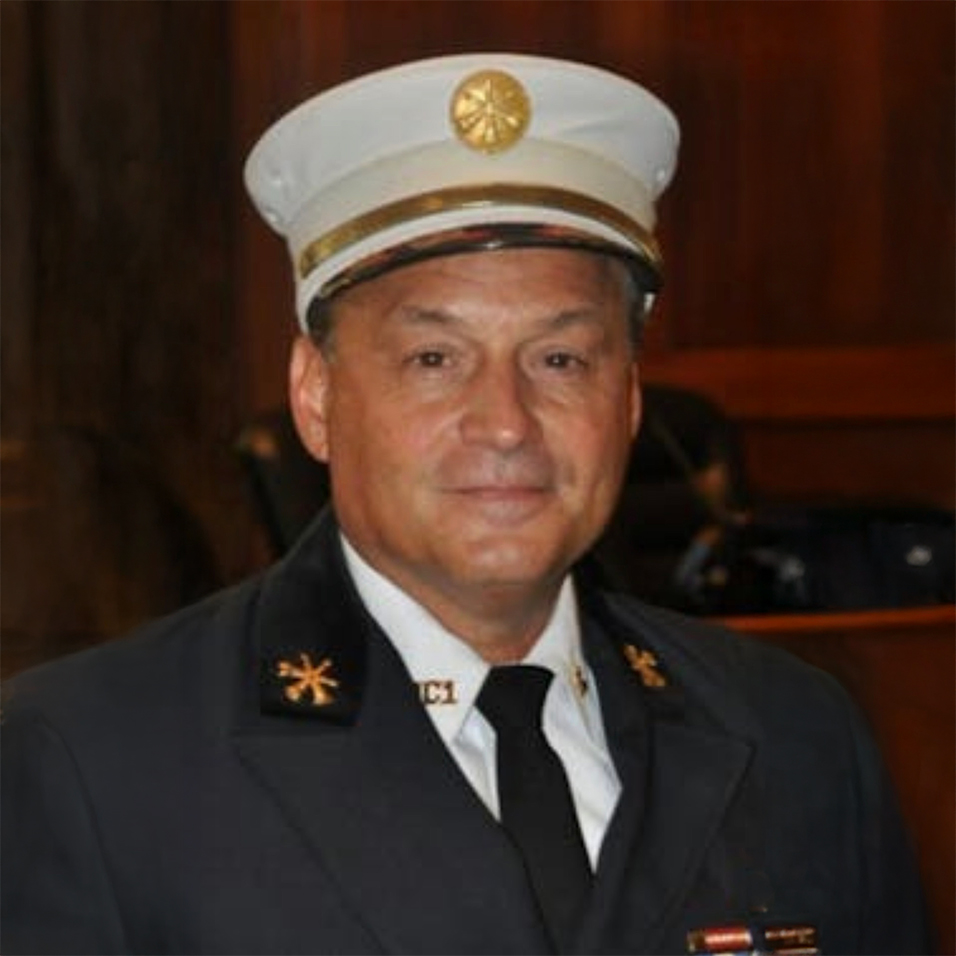
As a member of the fire service for over forty years, I have seen significant improvements, notably in our equipment and operating procedures. These range from our Personal Protective Equipment (PPE) and Self-Contained Breathing Apparatus (SCBA) to the introduction and use of Thermal Imaging Cameras (TICs). There is no doubt that these advances have greatly improved firefighter safety.
Improvements have continued through the science of fire behavior, changes in building design, and our overall approach to strategy and tactics. But as we continue our mission of providing the highest level of safety for our members, we cannot let another old saying get in our way:
“We have always done it that way.”
Despite the progress we have made over the years, one comprehensive area has not received the same commitment to seeking new and improved methods: scene management and accountability.
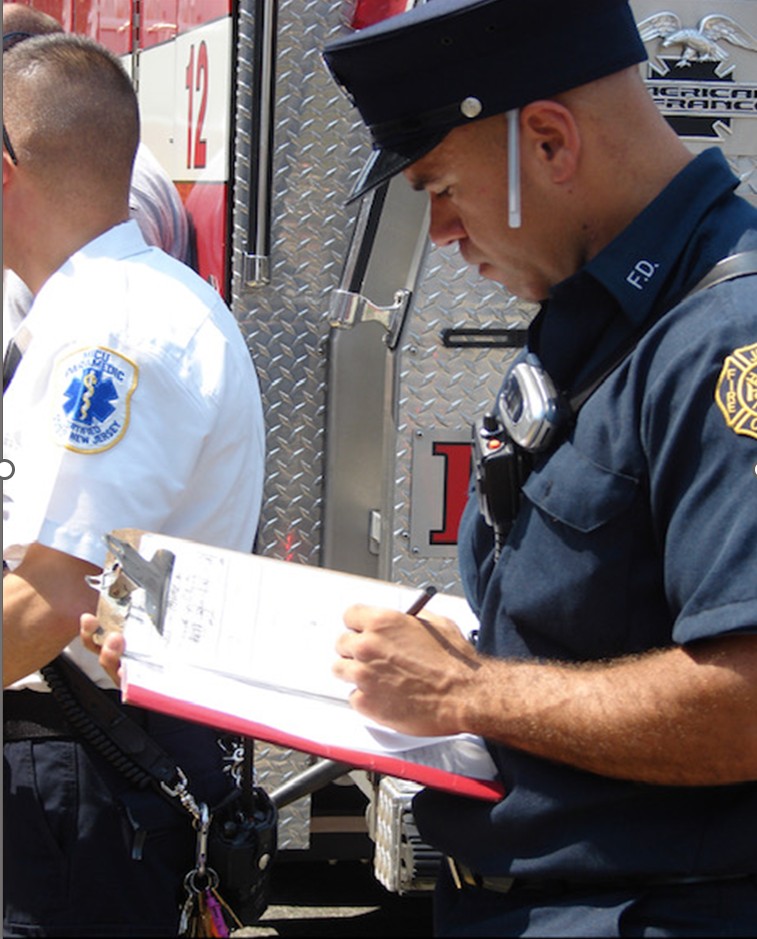
During my time, we attempted to improve this area by introducing such ideas as riding lists. A riding list identified the members assigned to the shift, along with their tool and radio assignments, and was placed in the apparatus or kept in the pocket of the company officer or chief officer.
From here we added member accountability tags. This concept required a firefighter to place his or her individual tag on a dedicated board before they entered into a structure or an IDLH (Immediately Dangerous to Life and Health) environment. Simple in concept, it required no technology but was often not considered very reliable.
We went a step further by conducting periodic PARs (personnel accountability roll calls) to determine members’ safety and locations. Again, these were positive steps, but was there anything else we could do? Were we ignoring anything available to us that could greatly enhance firefighter management and accountability at incidents? The answer was yes: today’s technology—the same technology we already use in our personal lives through our laptops and phones. I’m not talking about computer-aided dispatch (CAD), nor am I talking about automatic vehicle location (AVL).
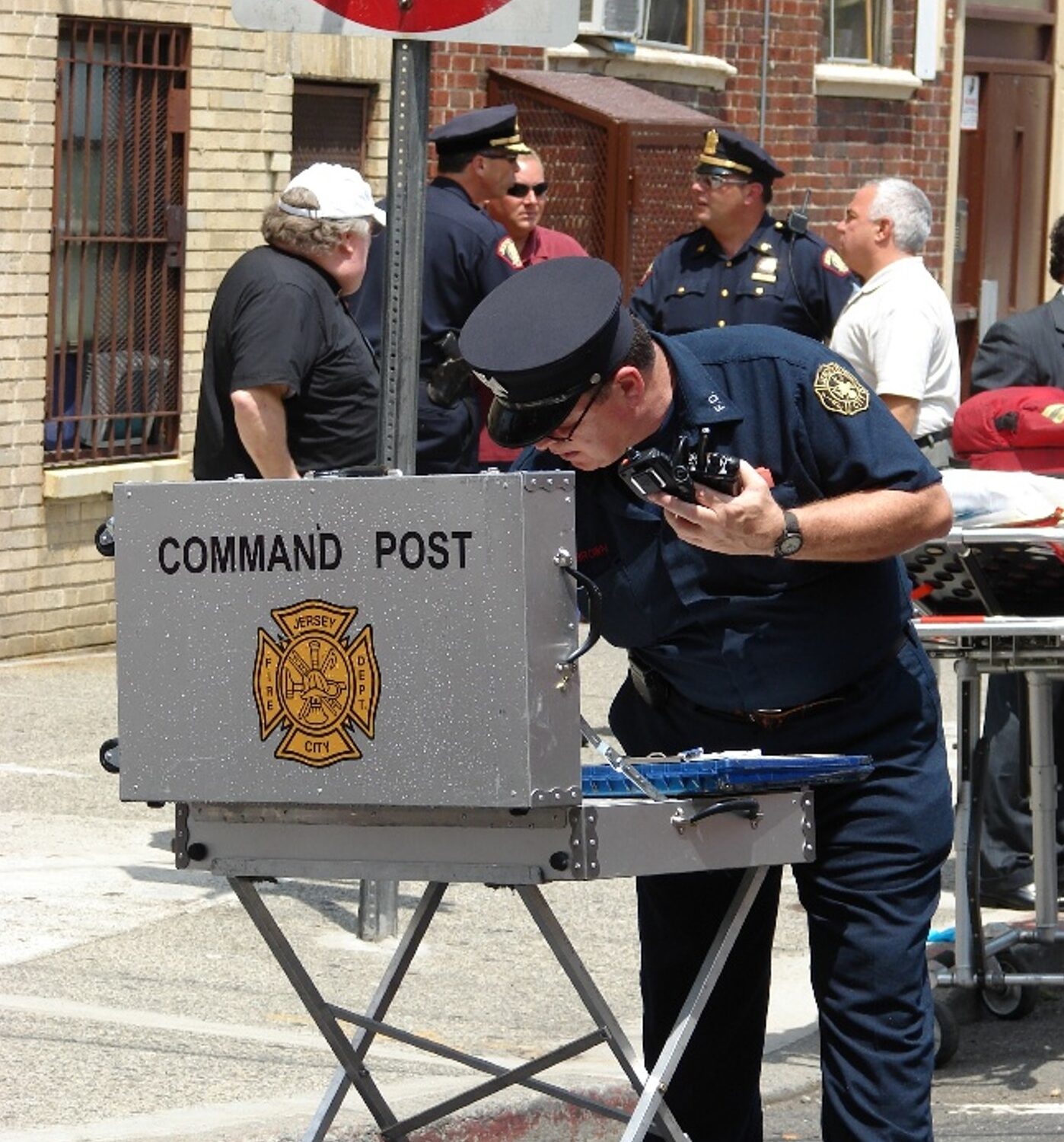
We have all had access to this technology for some time. I’m referring to capabilities that bring us closer to another saying of which I am a major fan:
“Everyone goes home safe.”
What technology is currently available?
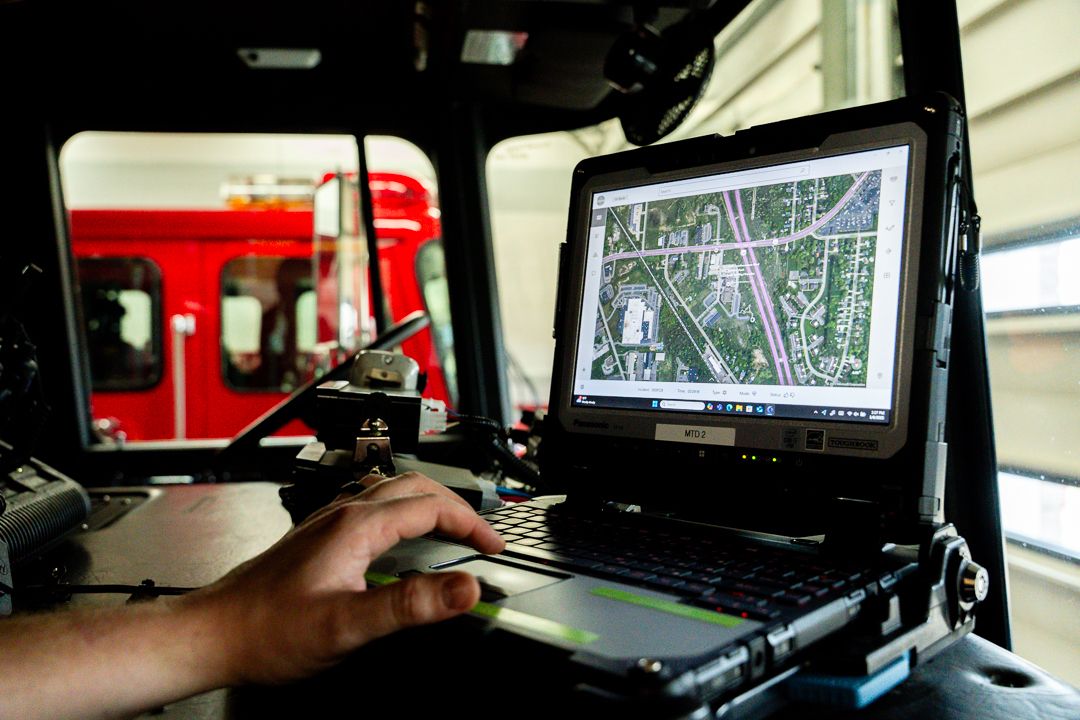
3D Mapping
These up-to-date 3D maps allow the fire officer to see and interact with the actual building/scene while en route. By manipulating the view of the building, officers can identify structural concerns, accessibility challenges, and surrounding exposures (to name a few) that may affect command decisions and priorities.
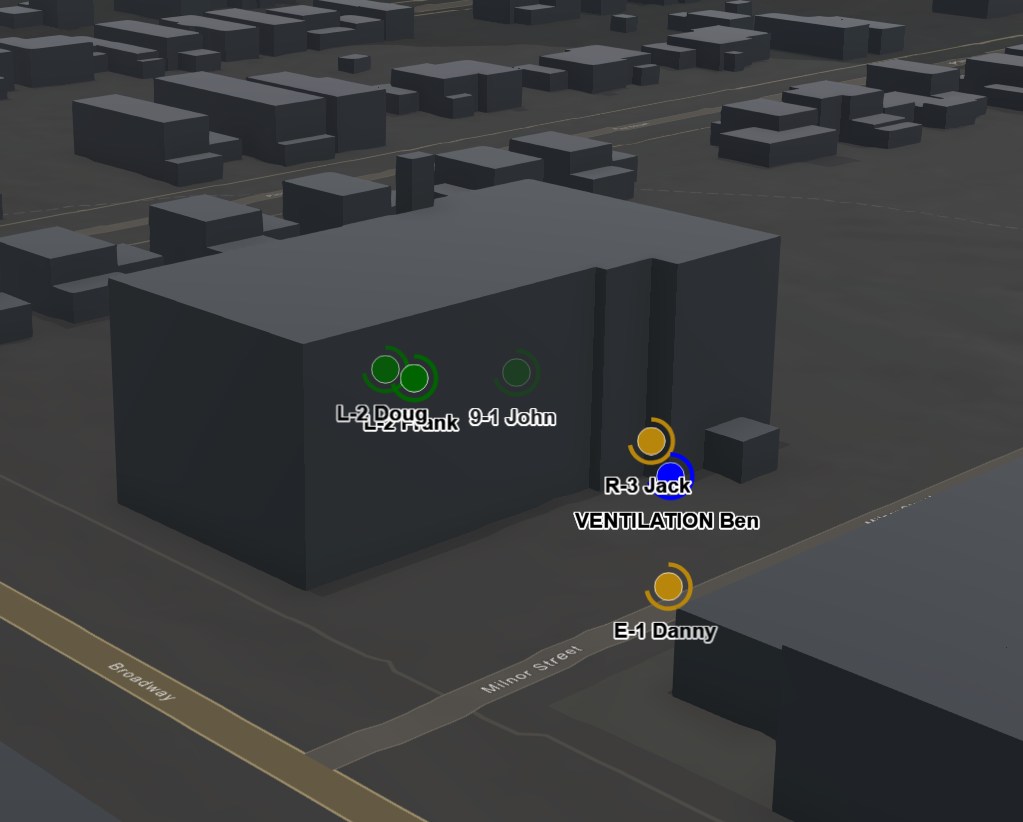
3D Location Tracking
This is the game changer. Being able to see your firefighters both inside and outside the 3D building allows for enhanced scene management and accountability. This is huge! This feature includes elevation and breadcrumb trails that track their entry paths (e.g., front door vs. roof).
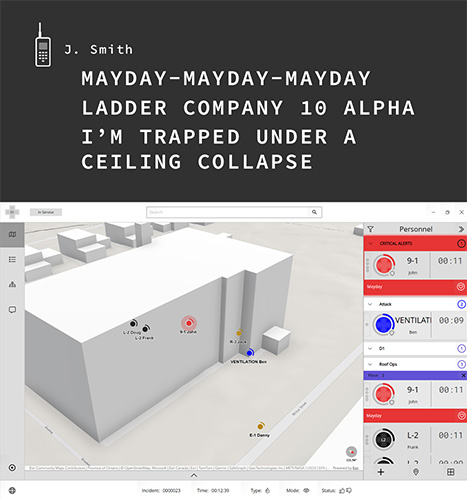
Voice Activated Alerts
Even when radio traffic is at its worst, AI recognizes when key safety phrases such as “Mayday” are spoken and notifies Command immediately. This allows the Rapid Intervention Crews to locate, rescue, and remove the lost or injured member even if the call gets “stepped on”.
I know that, after reading this, we can all say, “We wish we had this years ago.” It is technology at its best; it is very affordable, and it is all available NOW with FLORIAN, built by 3AM Innovations. Schedule a demo today.
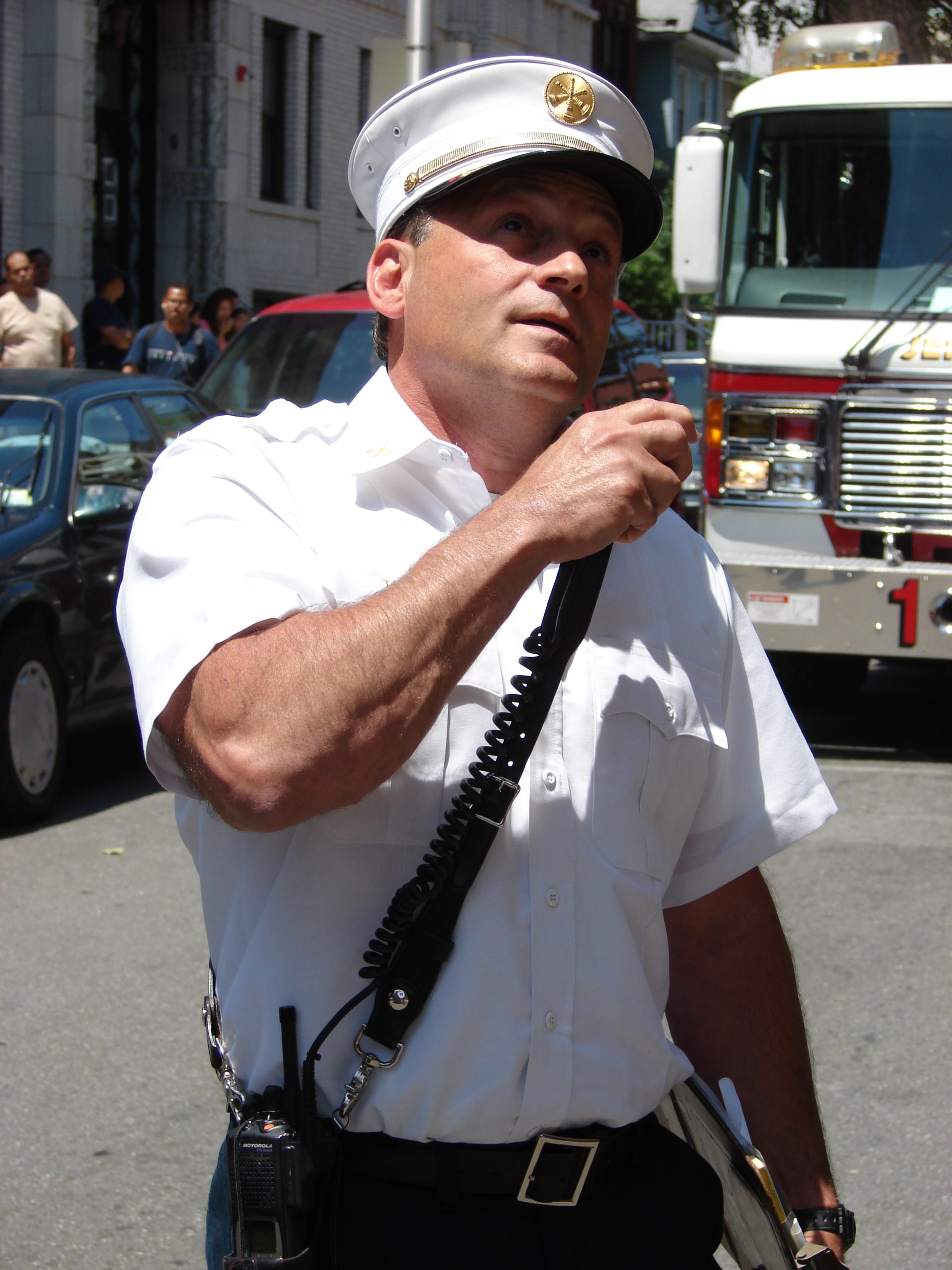
Michael Terpak
Retired Deputy Chief and Citywide Tour Commander
Jersey City Fire Department
Michael Terpak has been in the fire service for 45-plus years, spending the last 36 years with the Jersey City Fire Department, where he recently retired as a Deputy Chief and City-Wide Tour Commander. He is a fire service author, educator/tutor, and consultant for 3AM Innovations.
Fireground Size-Up
2nd Edition: 2019
Fire Ground Operational Guides
2011
Assessment Center Strategy and Tactics
2008
Assessment Center Management and Supervision
2002
Fire Officer Oral Assessment Study Guides
2002